A Farewell to Arms: The Romanian Army as resignations hit a new peak

In a statement posted recently on the website of the Ministry of National Defence, minister Angel Tîlvăr said that the Romanian Army is now “one of the most respected armies in NATO, having proved that it can deliver robust security and defence”. When President Klaus Iohannis was asked at the NATO summit in Vilnius about the equipment and investment promised for the Army in recent years, he said that “everything’s been achieved” and that “sustainable progress” was being made.
Nothing unusual about that. Just another bunch of grand-sounding official statements of the kind made by all politicians about the Romanian Army, which has been one of Romania’s most trusted institutions for years. But there’s little in the way of hard data to give us an accurate picture of the military. In the last few years, instead of reforming and opening up like modern armies, it has shut itself off completely behind official communication channels which give us news about rigorous training and dazzling military exercises that’s only lukewarm off the press.
The pretext of “national security” shrouds all aspects of military life in secrecy. Personnel have to obey regulations that require absolute discretion and forbid them to speak out publicly about any injustice or abuse, even in relation to pay, the real state of military units, or how soldiers are trained in reality.
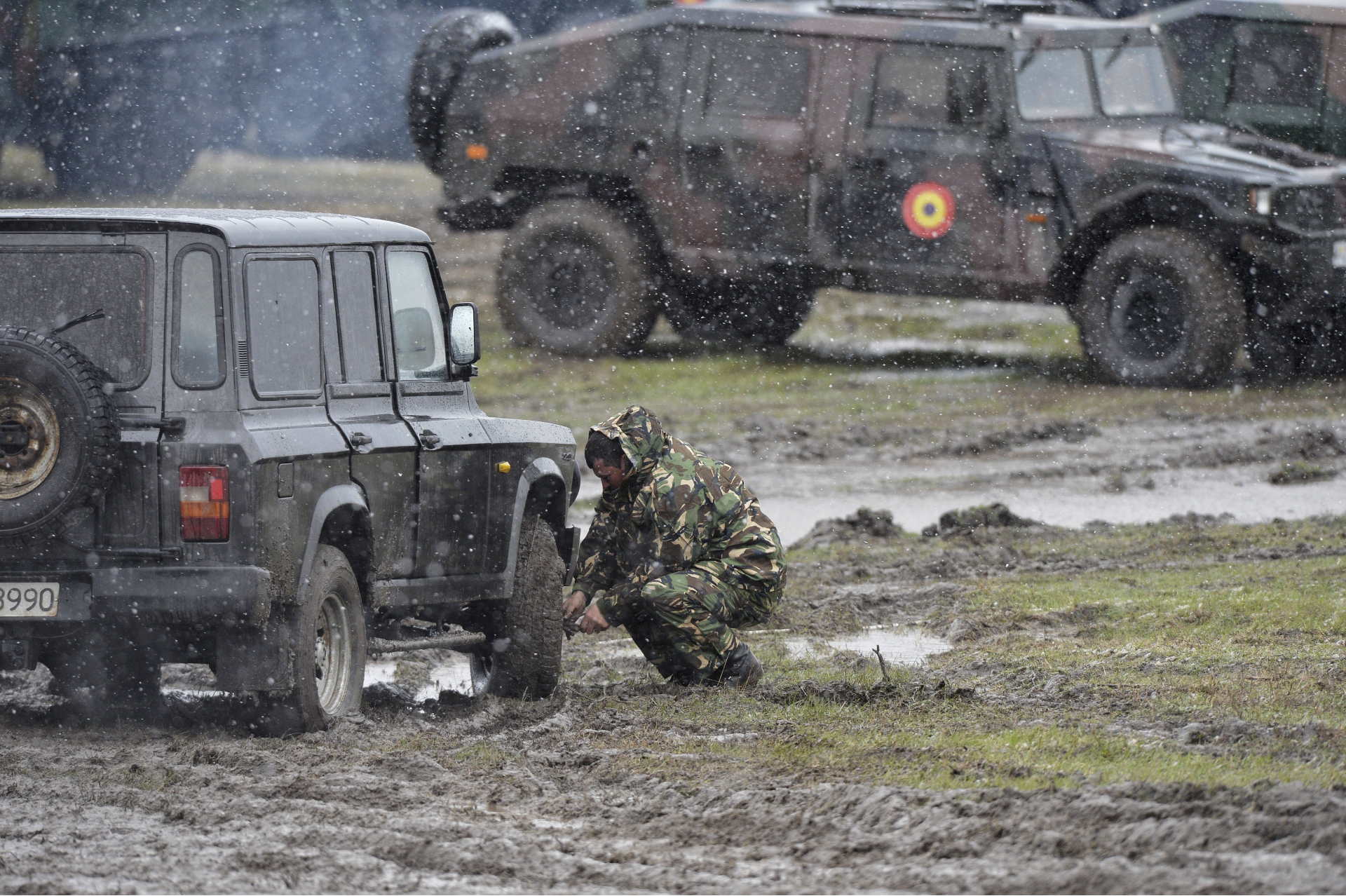
But behind this wall of silence, a situation that’s become difficult to ignore has been developing in recent years. The number of resignations from the Romanian Army has trebled in just three years. Departures have surged despite announcements of huge investments in military hardware. Lately, there’s been pompous talk of modern military aircraft and even submarines being procured, and pay rises for personnel. But what decision-makers don’t seem to realise is that the exodus isn’t just about money or the peril at our border with Ukraine. It’s also about the old-fashioned attitudes fostered by those in power and the realities that military personnel face on a daily basis, even in peacetime.
Systemic problems that have persisted for decades have spurred dozens in the Army to sound the alarm despite the ban on speaking out. Over the past few months, Recorder has talked to some of those who are finding it impossible to stay silent. Some left the system recently, feeling disappointed and disillusioned. Others are holding out, sustained only by the hope that maybe things will change.
The English version of this article and the English subtitles of the video are available thanks to Peter Shortall.