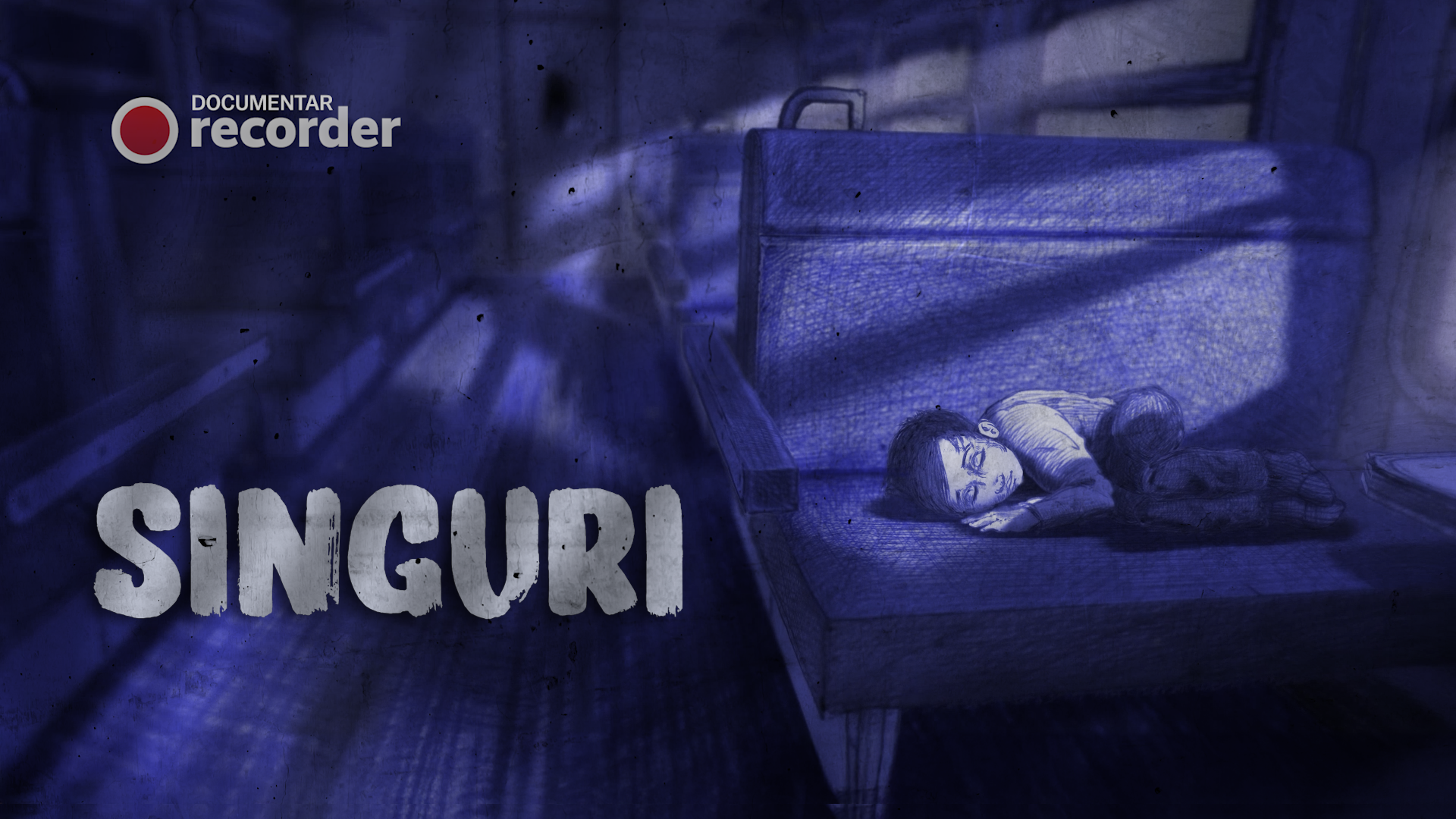
Alone: The Endless Nightmare of Abandoned Children


Romanians like to believe that they are special. From our history textbooks to certain political parties we are encouraged to believe in this myth of Romanian exceptionalism: a hospitable nation with millennia-old roots, touched by genius and boundless kindness. But is this beautiful illusion actually helpful?
The documentary we are publishing today is about a dark side of our nation. It is about a collective trauma that began in the grim years of the Ceaușescu era and has never truly been confronted.
Little has been said, in Romania, about the effects of the demographic policy imposed by Nicolae Ceaușescu in the mid-1960s. The severe restriction of abortions led not only to a rise in the birth rate, but also to a huge number of unwanted children who ended up in state care.
After the fall of the communist regime, foreign journalists discovered the horrifying conditions in former communist orphanages, focusing especially on the institutions where children labeled as “unrecoverable” were held. And while the images published by the international press shocked the entire world, Romanians behaved as if this reality had never existed.
But the reality of abuse in these orphanages – later renamed as placement centres- continued to exist even as Romania integrated into European structures and became a more prosperous country. A parliamentary inquiry commission showed that 185 criminal cases were opened for abuse against children in the system, between 2020 and 2022. Half of these cases involved sexual assault and rape, and in 20% of the cases, perpetrators were the the placement centre’s employees, the very people that were meant to care of the children.
Our investigation began with a relatively recent case that took place in a family-type placement center in Teleorman, but the roots of the story and the search for explanations took us back many decades.
We started by investigating a case of abuse and ended up uncovering the history of a collective trauma whose narrative thread is tied not only to the suffering of children, but also to the passivity of the adults who witnessed it and chose to remain silent, telling themselves, “It’s none of my business.” The mixture of selfishness, fear, and guilt in these people’s eyes looks the same in 1980 as it does in 2025.
ILLUSTRATION: Dan Panaitescu – Aparte Film